
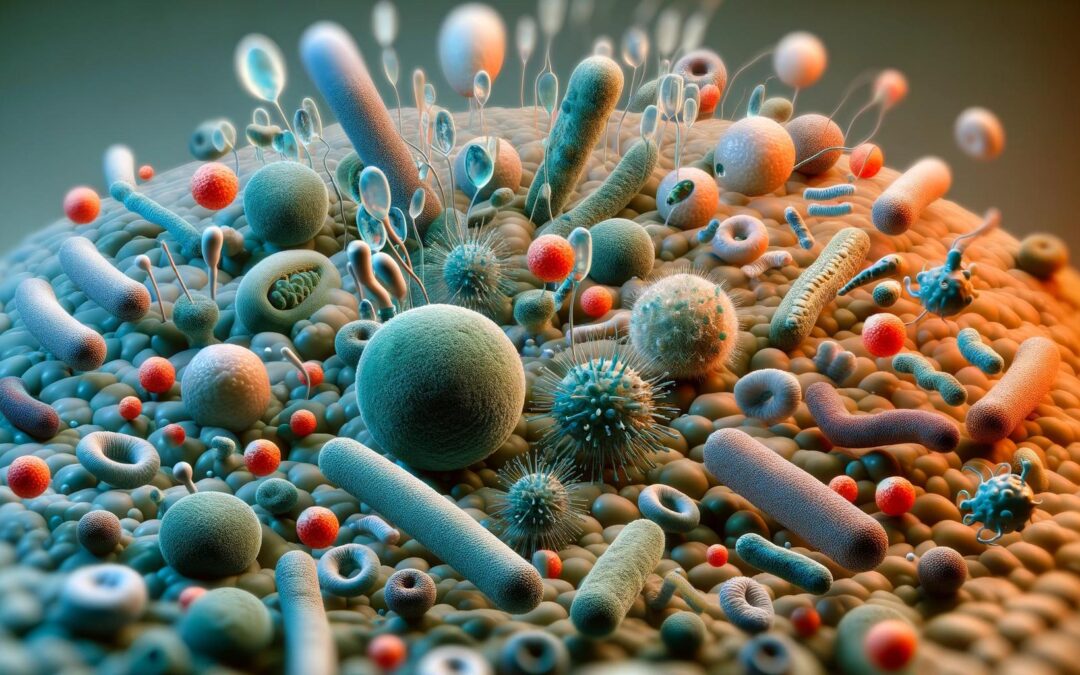
In recent years, scientists have discovered that the trillions of microbes living in and on our bodies, collectively called the microbiome, play a much bigger role in health than once thought. These bacteria, viruses, and fungi are not just passive passengers; they actively influence digestion, immunity, metabolism, and even reproduction.
When it comes to fertility, the microbiome is emerging as an important factor. Research suggests that the balance of microbes in the gut, vagina, and even semen may influence hormone regulation, egg and sperm quality, implantation, and pregnancy outcomes. While the science is still developing, understanding the microbiome offers new hope for supporting fertility naturally and through medical care.
The Gut Microbiome and Hormonal Health
The gut microbiome is the largest and most studied microbial community in the body. It helps digest food, produce vitamins, and regulate inflammation. It also plays a role in hormone metabolism.
One area of interest is the estrobolome, a subset of gut bacteria that influence how estrogen is metabolized. Imbalances in the estrobolome can lead to too much or too little circulating estrogen, potentially affecting ovulation, endometrial receptivity, and menstrual regularity. Conditions such as polycystic ovary syndrome (PCOS) and endometriosis have been linked with gut microbiome changes and altered inflammatory responses.
A healthy, diverse gut microbiome appears to support balanced hormones and lower systemic inflammation – both important for reproductive health.
The Vaginal Microbiome and Reproductive Outcome
The vaginal microbiome is another key player. In healthy individuals, it is usually dominated by Lactobacillus species, which produce lactic acid to maintain a protective, acidic environment. This barrier helps prevent infections and supports healthy sperm survival.
Studies show that imbalances in the vaginal microbiome, such as bacterial vaginosis (BV), can increase the risk of infertility, miscarriage, and preterm birth. BV has also been associated with lower success rates in in-vitro fertilization (IVF). Researchers believe that inflammation caused by microbial imbalance may interfere with implantation or embryo development.
Promoting a healthy vaginal microbiome, through treatment of BV, careful use of antibiotics, and possibly probiotics, may therefore play an important role in improving fertility outcomes.
The Endometrial and Seminal Microbiome
More recent research has revealed microbial communities in places once thought sterile, including the endometrium (lining of the uterus) and semen.
- Endometrial microbiome: Emerging evidence suggests that a balanced endometrial microbiome may improve implantation and pregnancy outcomes in IVF. Some studies indicate that high proportions of Lactobacillus in the endometrium are associated with higher live birth rates.
- Seminal microbiome: Semen also contains microbes that may influence sperm motility and DNA integrity. Imbalances in the seminal microbiome have been linked to reduced sperm quality and male infertility.
Although these findings are promising, both areas of research are still in early stages.
Potential Interventions
Because the microbiome is dynamic and influenced by diet, lifestyle, and environment, it offers a unique opportunity for intervention. While more research is needed, potential strategies include:
- Dietary support: Diets rich in fiber, fermented foods, and plant diversity are linked with a healthier gut microbiome.
- Probiotics and prebiotics: Some studies suggest that certain probiotic strains (especially Lactobacillus) may improve vaginal health and reduce the risk of BV. Probiotics are also being studied for their potential role in supporting gut and endometrial microbiomes.
- Antibiotics and microbiome testing: In cases of chronic infection or recurrent IVF failure, antibiotics are sometimes used to address microbial imbalances. Research is ongoing into whether personalized microbiome testing could guide treatment.
- Lifestyle factors: Sleep, stress, and exercise all influence the microbiome. For example, chronic stress has been shown to reduce microbial diversity, while physical activity appears to promote it.
Patients should always discuss supplements, probiotics, or testing with their healthcare provider.
Looking Ahead
The study of the microbiome and fertility is relatively new, but it is advancing rapidly. Patients can take simple steps now to support microbial health, such as maintaining a balanced diet, minimizing unnecessary antibiotics, and prioritizing overall wellness.
Conclusion
The microbiome is rewriting our understanding of fertility. From the gut to the uterus, microbial communities appear to play a vital role in creating the right environment for conception and pregnancy. While the science is still unfolding, one message is clear: nurturing a healthy microbiome is an investment in reproductive health and beyond.
At Fertility Friends Foundation, we believe knowledge empowers patients. By learning about the connections between the microbiome and fertility, individuals and couples can approach their journey with greater understanding and hope for the future.
References
- Moreno, I., et al. Evidence that the endometrial microbiota has an effect on implantation success or failure. Am J Obstet Gynecol (2016).
- Koedooder, R., et al. The vaginal microbiome as a predictor for IVF success. Hum Reprod (2019).
- Baker, J.M., Chase, D.M., & Herbst-Kralovetz, M.M. Uterine microbiota: Residents, tourists, or invaders? Front Immunol (2018).
- Benner, M., et al. The impact of the gut microbiome on reproductive health. Trends Endocrinol Metab (2019).
- Virtanen, S., et al. Seminal microbiota and its impact on sperm quality. Hum Reprod (2017).
- European Society of Human Reproduction and Embryology (ESHRE). Good practice recommendations for microbiome in reproductive medicine (2022).