
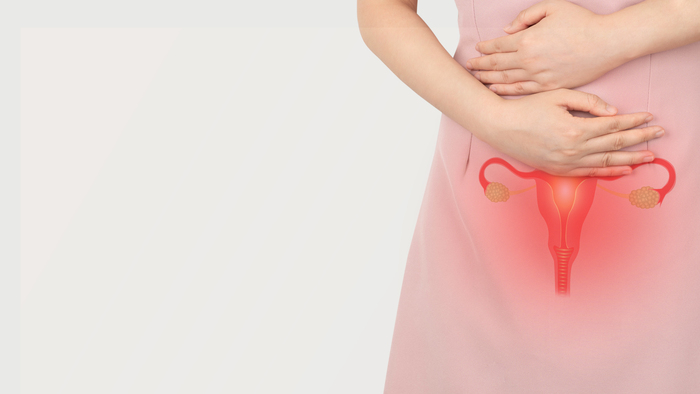
Inflammation is the body’s natural defense mechanism, helping us heal from injury and fight infections. But when inflammation becomes chronic or imbalanced, it can interfere with many systems of the body, including reproduction. Research suggests that both too much and too little inflammation can affect fertility, influencing ovulation, implantation, and even early pregnancy outcomes.
Understanding Inflammation and Reproduction
A certain amount of inflammation is actually necessary for conception. For example, ovulation is triggered by an inflammatory response in the ovary, and implantation involves a carefully timed inflammatory process in the uterus. In early pregnancy, the immune system must shift to allow tolerance of the embryo while still protecting the mother from infection.
When inflammation is well-regulated, these processes support fertility. Problems arise when the response becomes excessive, prolonged, or improperly timed.
Conditions Linked to Inflammation and Infertility
Several reproductive health conditions are closely associated with inflammation:
- Endometriosis: This condition involves endometrial tissue growing outside the uterus, triggering chronic inflammation. The resulting immune changes can disrupt egg quality, implantation, and embryo development.
- Polycystic Ovary Syndrome (PCOS): Women with PCOS often show markers of low-grade chronic inflammation, which may worsen hormonal imbalances and insulin resistance, further affecting ovulation.
- Pelvic Infections: Untreated infections can cause inflammation and scarring in the fallopian tubes, leading to infertility.
- Autoimmune Disorders: Conditions such as lupus or thyroid autoimmunity can involve inflammatory pathways that increase miscarriage risk.
Inflammation and Male Fertility
Inflammation also plays a role in male fertility. Chronic infections, obesity, or systemic inflammatory conditions can increase oxidative stress in the testes, leading to sperm DNA damage. This may reduce sperm quality, motility, and the likelihood of successful conception.
Managing Inflammation in Fertility Care
While not all inflammation-related infertility can be prevented, several strategies may help manage its impact:
- Medical treatment: Anti-inflammatory medications, hormonal therapies, or surgery may be recommended for conditions like endometriosis or PCOS.
- Lifestyle support: Diets rich in fruits, vegetables, omega-3 fatty acids, and whole grains are associated with lower inflammation. Regular exercise, quality sleep, and stress management also help regulate immune function.
- Targeted supplements: Some studies suggest antioxidants such as CoQ10 or vitamins C and E may reduce oxidative stress, though evidence varies.
- Specialist care: Fertility specialists may recommend tailored protocols for patients with known inflammatory conditions, including additional monitoring or immune-modulating treatments.
5 Everyday Ways to Reduce Inflammation for Fertility Health
The good news: small lifestyle changes can help keep inflammation in check and support reproductive health.
- Eat an Anti-Inflammatory Diet
Focus on whole, nutrient-rich foods. Think colorful fruits and vegetables, fatty fish (like salmon), nuts, seeds, legumes, and whole grains. Try to limit processed foods, refined sugars, and trans fats, which can promote inflammation.
- Move Your Body Regularly
Moderate physical activity — such as walking, yoga, or cycling — helps lower inflammation and supports hormone balance. Aim for at least 150 minutes per week.
- Prioritize Sleep
Poor or irregular sleep raises inflammation markers. Strive for 7–9 hours of quality rest each night, and keep a consistent bedtime and wake-up routine.
- Manage Stress
Chronic stress triggers inflammatory pathways. Practices like meditation, deep breathing, journaling, or counselling can calm the stress response and improve overall wellbeing.
- Check in with Your Doctor
If you have conditions like endometriosis, PCOS, or autoimmune disease, medical care is essential. Your fertility specialist can recommend treatments that reduce inflammation and improve your chances of success.
Inflammation is a natural process that must be carefully balanced for reproduction to succeed. Too much or poorly regulated inflammation can disrupt fertility, but targeted medical care and healthy lifestyle strategies can help restore equilibrium.
For those navigating infertility linked to inflammatory conditions, the good news is that treatments continue to improve, and many patients go on to have successful pregnancies. By recognizing the role of inflammation, families can work with their care teams to create the best possible environment for conception and healthy pregnancy.
References
- Coussens, L.M. & Werb, Z. Inflammation and cancer: Nature’s response gone awry. Nature (2002) – foundational understanding of inflammation pathways.
- Singh, A.K., et al. Inflammatory pathways in polycystic ovary syndrome: links to insulin resistance, infertility, and metabolic syndrome. Fertil Steril (2019).
- Burney, R.O. & Giudice, L.C. Pathogenesis and pathophysiology of endometriosis. Fertil Steril (2012).
- Tremellen, K. Oxidative stress and male infertility — a clinical perspective. Hum Reprod Update (2008).
- European Society of Human Reproduction and Embryology (ESHRE). Guidelines on endometriosis and infertility (2022).