
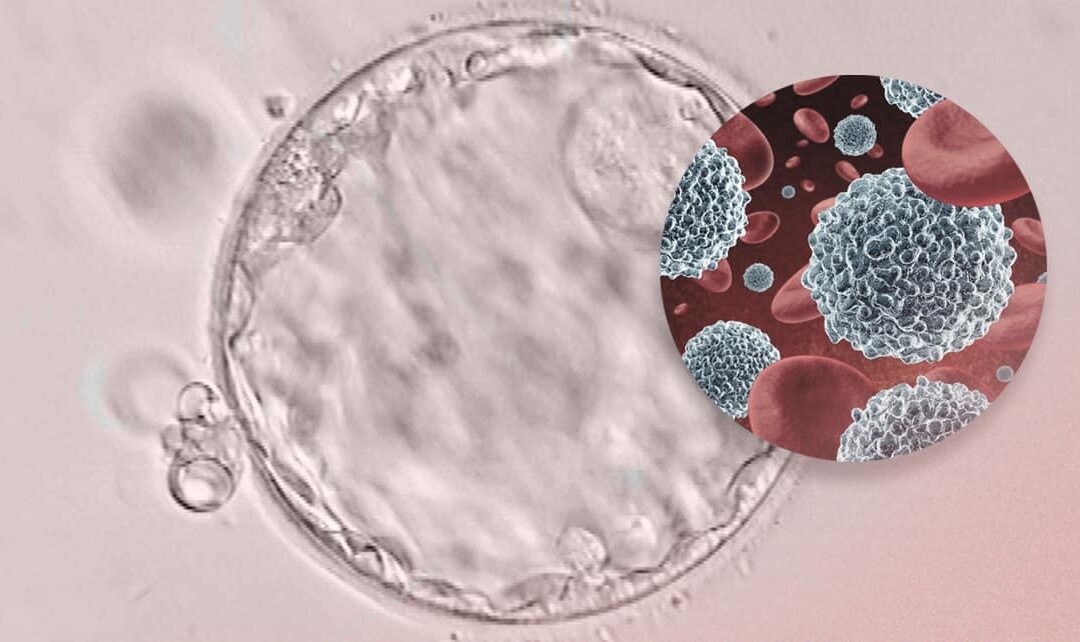
Pregnancy is a remarkable biological process, one in which the body nurtures a genetically unique being. For this to succeed, the immune system must strike a delicate balance: strong enough to protect against infection, yet tolerant enough to allow the pregnancy to grow. When that balance is disrupted, it may contribute to complications, including recurrent pregnancy loss (RPL).
Understanding the potential role of the immune system in pregnancy loss is an area of growing scientific interest. While research is ongoing, patients who experience repeated miscarriages often want to know whether their immune system may play a role and what treatment options might be available.
What Is Recurrent Pregnancy Loss?
Recurrent pregnancy loss is generally defined as two or more consecutive miscarriages. It affects about 1–2% of couples trying to conceive. Causes can include genetic issues, structural abnormalities of the uterus, hormonal or metabolic conditions, blood clotting disorders, or, in some cases, immune system factors. Importantly, in nearly half of cases, no clear cause is identified, which can add to the distress those who are pursuing a fertility journey may feel.
How the Immune System Supports Pregnancy
Normally, the immune system recognizes and attacks anything “foreign,” such as bacteria or viruses. But a pregnancy presents a unique challenge: the embryo contains genetic material from both parents, meaning part of it is “foreign” to the mother’s immune system. To allow pregnancy to progress, the immune system adapts.
Key mechanisms include:
- Natural Killer (NK) cells: Specialized immune cells found in the uterus that help the placenta implant and support blood vessel growth.
- Regulatory T cells: Immune cells that promote tolerance, helping the body accept the embryo.
- Cytokines: Signaling proteins that help regulate inflammation. A balance between inflammatory and anti-inflammatory cytokines is essential for healthy implantation and early growth.
When these processes are disrupted, it may increase the risk of miscarriage.
Immune Factors in Recurrent Pregnancy Loss
Although research is still developing, several immune-related issues have been linked to RPL:
- Autoimmune Conditions
- In autoimmune disorders, the immune system mistakenly attacks the body’s own tissues.
- The most well-established link to RPL is antiphospholipid syndrome (APS), a condition where antibodies increase blood clotting and can interfere with the placenta.
- Other autoimmune conditions, such as thyroid autoimmunity, may also play a role.
- Abnormal NK Cell Activity
- NK cells normally support implantation, but some studies suggest that unusually high numbers or activity levels of these cells may be associated with pregnancy loss.
- However, this remains controversial, as not all studies agree.
- Cytokine Imbalance
- A shift toward “pro-inflammatory” cytokines in early pregnancy may disrupt implantation and early growth.
- Alloimmune Issues
- Some researchers suggest that insufficient maternal immune tolerance of paternal antigens (the “foreign” genetic material from the father) could increase miscarriage risk.
While these factors are being studied, many tests offered to patients are not yet standardized or universally recommended.
Diagnostic Approaches
When patients experience recurrent miscarriage, a comprehensive evaluation is recommended. This may include:
- Blood tests to look for antiphospholipid antibodies, thyroid antibodies, or other autoimmune markers.
- Genetic testing for parents and sometimes miscarried tissue, to rule out chromosomal issues.
- Imaging to examine uterine anatomy
Immune-specific testing (such as NK cell activity or cytokine profiling) is more controversial. Guidelines from organizations like the American Society for Reproductive Medicine (ASRM) and the European Society of Human Reproduction and Embryology (ESHRE) note that many immune tests are experimental and not yet validated for routine clinical use.
Possible Treatments
For patients with identified immune-related issues, certain treatments may be offered:
- Anticoagulants (Heparin, Aspirin): Proven effective for patients with antiphospholipid syndrome to reduce miscarriage risk.
- Thyroid management: Treating thyroid autoimmunity with medication can improve outcomes.
- Corticosteroids or Intravenous Immunoglobulin (IVIG): Sometimes used in experimental protocols to modulate immune responses, though evidence remains limited.
- Lifestyle factors: Since inflammation can be influenced by overall health, optimizing sleep, nutrition, and stress management may offer supportive benefits
Because evidence is still emerging, treatments are best guided by a fertility specialist.
Balancing Hope with Realism
The link between immunity and recurrent pregnancy loss is complex. While certain conditions such as antiphospholipid syndrome have clear diagnostic and treatment pathways, other immune factors remain under investigation. This uncertainty can be frustrating for patients seeking answers.
Understanding how the immune system interacts with reproduction is a rapidly evolving field, and new discoveries are shedding light on ways to prevent miscarriage and support healthy pregnancies.
Moving Forward
If you have experienced recurrent pregnancy loss, know that you are not alone. Many couples go on to have successful pregnancies, even after multiple miscarriages. A thorough evaluation with a fertility specialist can help identify potential causes, including immune-related factors. And while science is still evolving, progress in reproductive immunology is offering new insights every year.
At Fertility Friends Foundation, we believe that knowledge is empowering. By understanding the role the immune system may play, families can approach their journeys with more clarity and confidence, and trust that research is working toward better answers.
References
- American Society for Reproductive Medicine (ASRM). Evaluation and treatment of recurrent pregnancy loss: a committee opinion. Fertility and Sterility (2023).
- European Society of Human Reproduction and Embryology (ESHRE). Guideline: Recurrent Pregnancy Loss (2018).
- World Health Organization (WHO). Infertility prevalence estimates, 1990–2021 (2023).
- Mekinian, A., et al. Recurrent pregnancy loss: An immunological perspective. Journal of Autoimmunity (2020).
- Ticconi, C., et al. Recurrent pregnancy loss and the immune system: An update. International Journal of Molecular Sciences (2019).
- Di Simone, N., et al. Antiphospholipid antibodies and pregnancy loss: Evidence and management. Lupus (2020).