
For a long time, we truly believed the hardest part would be learning how to be good parents – late nights, hard decisions, and figuring it out as we go. We didn’t expect that the hardest part would be trying to become parents at all.
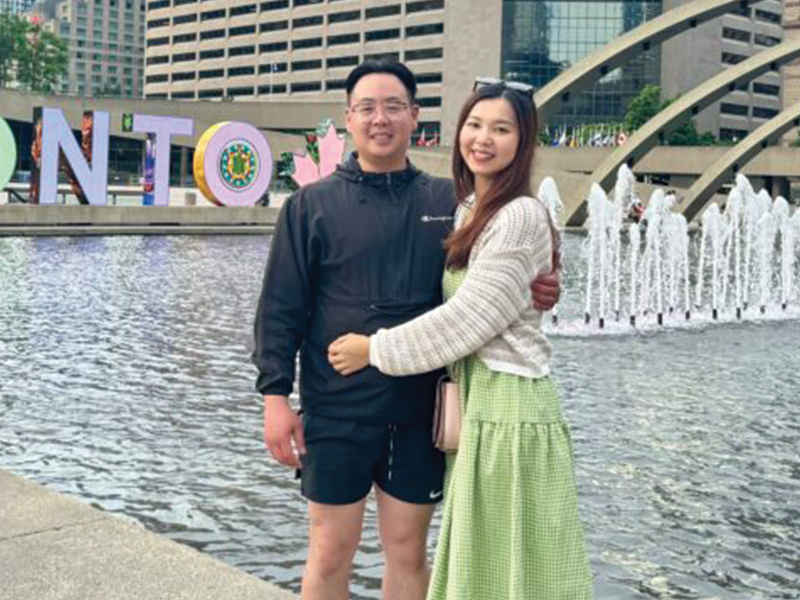
We’re a couple who met online and slowly built a life together through many dates, long conversations, and the kind of partnership that grows stronger with time. We’ve been together for eight years, and our relationship has been shaped by what we value most: honesty, integrity, and compassion.
Like so many couples, we assumed starting a family would happen naturally with time. But after months turned into years, we realized something wasn’t right. After further testing and specialist care, we received devastating news – severe endometriosis, making natural conception unlikely.
It’s hard to describe what it feels like to hear a diagnosis like that. On one hand, it’s a relief to finally have an explanation after so much uncertainty. On the other hand, it’s grief because it forces you to let go of the picture you had in your head of how pregnancy would happen. It becomes appointments, bloodwork, and waiting rooms. It becomes learning a new vocabulary you never expected to learn. It becomes planning your life around cycles, timing, medications, and stress.
Through all of it, we’ve learned patience in a way we never imagined. We’ve learned to communicate better—how to pause before reacting, how to check in, and how to make decisions together even when emotions are high. We’ve learned how to be a team.
We’ve also learned that fertility treatment isn’t only a medical journey – it’s also a financial one. IVF is a major out-of-pocket expense, and the costs include more than the procedure itself. Medications, testing, and transfer add up quickly. Like many people, we found ourselves doing careful math and late conversations at night trying to understand what we could realistically afford and how long we might need to delay if we couldn’t secure support.
Receiving support from Fertility Friends Foundation (FFF) has been incredibly meaningful for us. It does more than reduce a number on a bill—it reduces the weight of decision-making. It helps us move forward without delaying treatment simply because we need more time to gather funds. It gives us room to focus on health, recovery, and next steps instead of being consumed by financial stress. Most importantly, it makes us feel less alone. We are deeply grateful to FFF and everyone who makes this support possible.